Key Role of Titanium 6242 in Aerospace Manufacturing
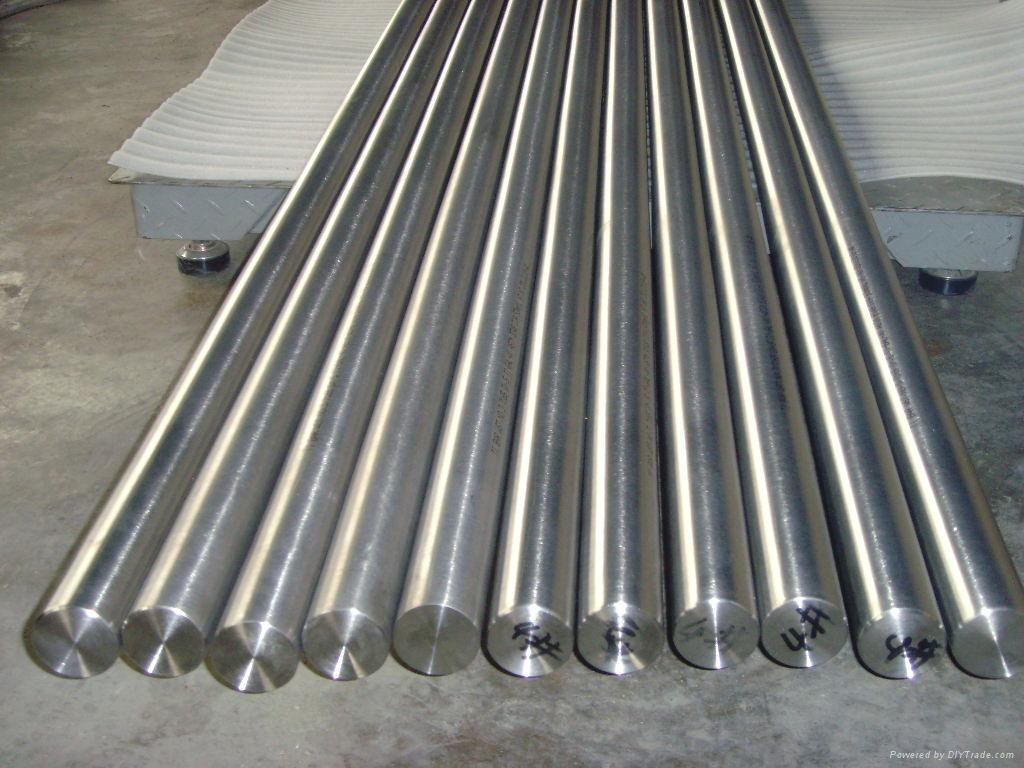
Titanium 6242, a high-strength titanium alloy, has become a staple material in the aerospace industry. Known for its unique combination of strength, fatigue resistance, and corrosion resistance, this alloy is often selected for critical aerospace applications where performance and reliability are paramount. This article explores the key advantages and applications of Titanium 6242, emphasizing its critical role in advancing aerospace technology.
High Strength-to-Weight Ratio
One of the key advantages of AMS 4919 is its excellent strength-to-weight ratio. Aerospace engineers are constantly working to reduce the weight of aircraft components to improve fuel efficiency, speed, and overall performance. This titanium alloy, with its remarkable strength, ensures that critical components can withstand high loads without significantly adding to the weight of the aircraft.
The strength-to-weight ratio of Titanium 6242 makes it an ideal choice for structural components in aircraft, such as wing spars, fuselage frames, and landing gear components. By reducing weight while maintaining strength, it helps improve the efficiency and safety of aircraft, contributing to overall fuel savings and better performance.
Superior Fatigue Resistance
Aerospace components endure repeated cyclic stresses that can lead to material fatigue, but AMS 4919 stands out by providing exceptional fatigue resistance compared to many alternatives. This characteristic is especially important for components that experience repeated stress, such as those found in the airframe, landing gear, and turbine engines.
Parts made from Titanium 6242 are better able to withstand the repeated stresses of takeoff, landing, and turbulence. This durability ensures the reliability and safety of aircraft, reducing the likelihood of failures caused by material fatigue. For manufacturers, this leads to lower maintenance costs and longer service intervals for critical components.
Excellent Corrosion Resistance
Corrosion can be a significant challenge in aerospace manufacturing, especially for components exposed to harsh environmental conditions, such as moisture, saltwater, and chemicals. AMS 4919 stands out for its superior corrosion resistance, making it highly suitable for parts that operate in hostile environments.
The alloy's resistance to both oxidation and general corrosion ensures that components like turbine engine parts, airframe structures, and fuel tanks will remain intact and perform effectively throughout their service life. Titanium 6242’s ability to resist corrosion helps reduce the need for frequent repairs and maintenance, leading to increased operational efficiency and longer service life for aerospace components.
High Temperature Stability
Titanium 6242 offers excellent high-temperature stability, which is critical in aerospace applications that involve exposure to extreme heat. Components such as engine parts, exhaust systems, and high-stress structural elements need to maintain their strength and integrity under high-temperature conditions. Ability of AMS 4919 to perform reliably at elevated temperatures makes it an essential material for such applications.
For instance, in jet engines, where temperatures can reach several hundred degrees Celsius, Titanium 6242 is used in parts that need to retain their strength and structural stability. Its high-temperature performance ensures that the alloy can handle the heat without degradation, enhancing the overall efficiency and safety of aerospace systems.
Good Machinability and Weldability
Another significant advantage of AMS 4919 is its good machinability and weldability. While titanium alloys are generally known for being difficult to machine, this alloy strikes a balance by offering easier machinability than other high-strength alloys, making it more cost-effective to manufacture complex components.
In addition to machinability, Titanium 6242 can also be welded, allowing manufacturers to join different parts and create larger, more intricate structures. This versatility allows for more efficient production processes and enables manufacturers to create high-quality aerospace components that meet strict design specifications.
Versatility in Aerospace Applications
AMS 4919 is used in a wide range of aerospace applications due to its unique combination of properties. Some of the key areas where this titanium alloy is employed include:
Structural Aircraft Components: Titanium 6242 is commonly utilized in vital structural parts like bulkheads, wing spars, and fuselage frames due to its strength and reliability. These parts need to be both strong and lightweight to ensure the aircraft’s overall performance and safety.
Engine Parts: The alloy is also used for high-temperature components such as turbine blades, exhaust components, and casings. These parts must maintain strength and stability at elevated temperatures, making AMS 4919 an ideal choice.
Landing Gear: The alloy’s fatigue resistance and ability to withstand harsh environments make it perfect for use in landing gear, which undergoes constant stress during takeoff and landing.
Conclusion
Renowned for its high strength, corrosion resistance, fatigue durability, and stability at elevated temperatures, Titanium 6242 is a crucial material in aerospace engineering. These properties make it an essential material for critical aerospace components that must perform reliably under extreme conditions. Whether it’s in the airframe, engines, or landing gear, AMS 4919 plays a crucial role in ensuring the efficiency, safety, and longevity of aerospace technology.
For high-quality Titanium 6242 products, FlightMetals is a trusted supplier, offering a variety of titanium alloys to meet the specific needs of aerospace applications. With a focus on quality and customer satisfaction, Flight Metals is committed to providing materials that support the advancement of aerospace manufacturing.
